Field notes: the January thaw that let three Midwest metros finally pour foundations
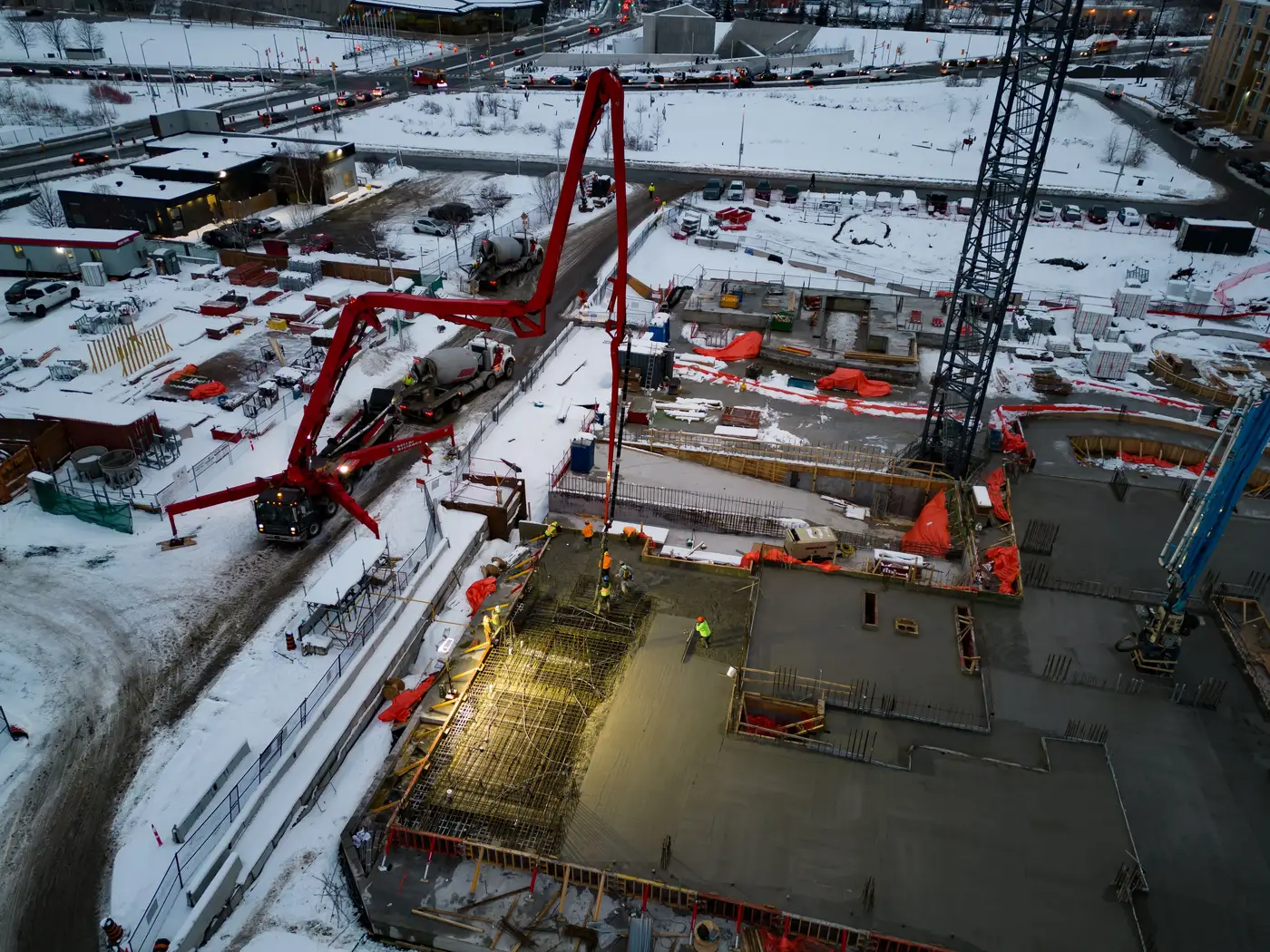
Late December through most of January, a chunk of the Midwest residential pipeline stops cold. Footing crews in Ohio, Indiana, and Missouri won't pour against a frozen pad, and the cost of re-pouring a cracked foundation makes the wait cheap by comparison. So builders sit on it.
This year the wait broke early in three metros when a stretch of 40s-and-50s-degree days moved through Columbus, Indianapolis, and Kansas City in the third week of January. Ground thawed four to six inches down, enough for crews to get footings in before the next cold snap locked things back up.
We watched this through repeat satellite passes instead of waiting on county assessor records or permit logs, and the pattern matched what any soils engineer on site would have told you. Lots that had already been graded, formed, and reinforced through December went in fast once the window opened, some within 48 hours of the first morning above freezing. Lots that hadn't been staged yet sat through the thaw untouched. Builders don't dig new footings on short notice. They pour what's already set up and waiting on weather.
That staging detail matters more than the thaw itself if you're trying to read the quarter. A metro carrying a backlog of graded-and-formed lots going into January can convert a lot of starts the moment the weather allows it. A metro without that backlog won't, even on the same mild week. Indianapolis had more staged lots than Kansas City heading into the thaw, and it showed in the pour count. Columbus landed somewhere between the two.
None of this shows up in permit data for weeks. Most of these jurisdictions batch filings, monthly in some townships, quarterly in others, and the Census Bureau's national starts estimate is a survey panel number, not a metro-level count you can act on in the moment. By the time a permit report confirms what happened on a given block, the builders who poured during that January window are already framing walls and ordering trusses.
That lag is the reason to watch the foundations directly instead of the paperwork trailing them. A footing poured during a three-day thaw is a fact on the ground days before any clerk logs it, and in a satellite pass it's just as visible frozen in January as it is in a July heat wave. For an analyst trying to get ahead of a starts print by metro, that gap between pour and paperwork is the whole opportunity.
It's also a reminder that weather windows are a real input into how starts bunch up quarter over quarter in cold-climate metros, not noise worth averaging away. A mild stretch in January can pull volume forward that would otherwise show up as a March start. A longer freeze does the opposite. Either way, the metros that convert fastest during a short window tend to be the ones that went into it with lots already staged, and that backlog is itself a read on builder confidence heading into spring.
We track exactly this kind of thing, foundations poured and frames up, broken out by metro and submarket, at Construction Starts Index, built from monthly satellite passes rather than permit logs or survey estimates. If you want to see which Midwest metros actually poured during this thaw before the permit data gets around to confirming it, that's the use case.