Blog
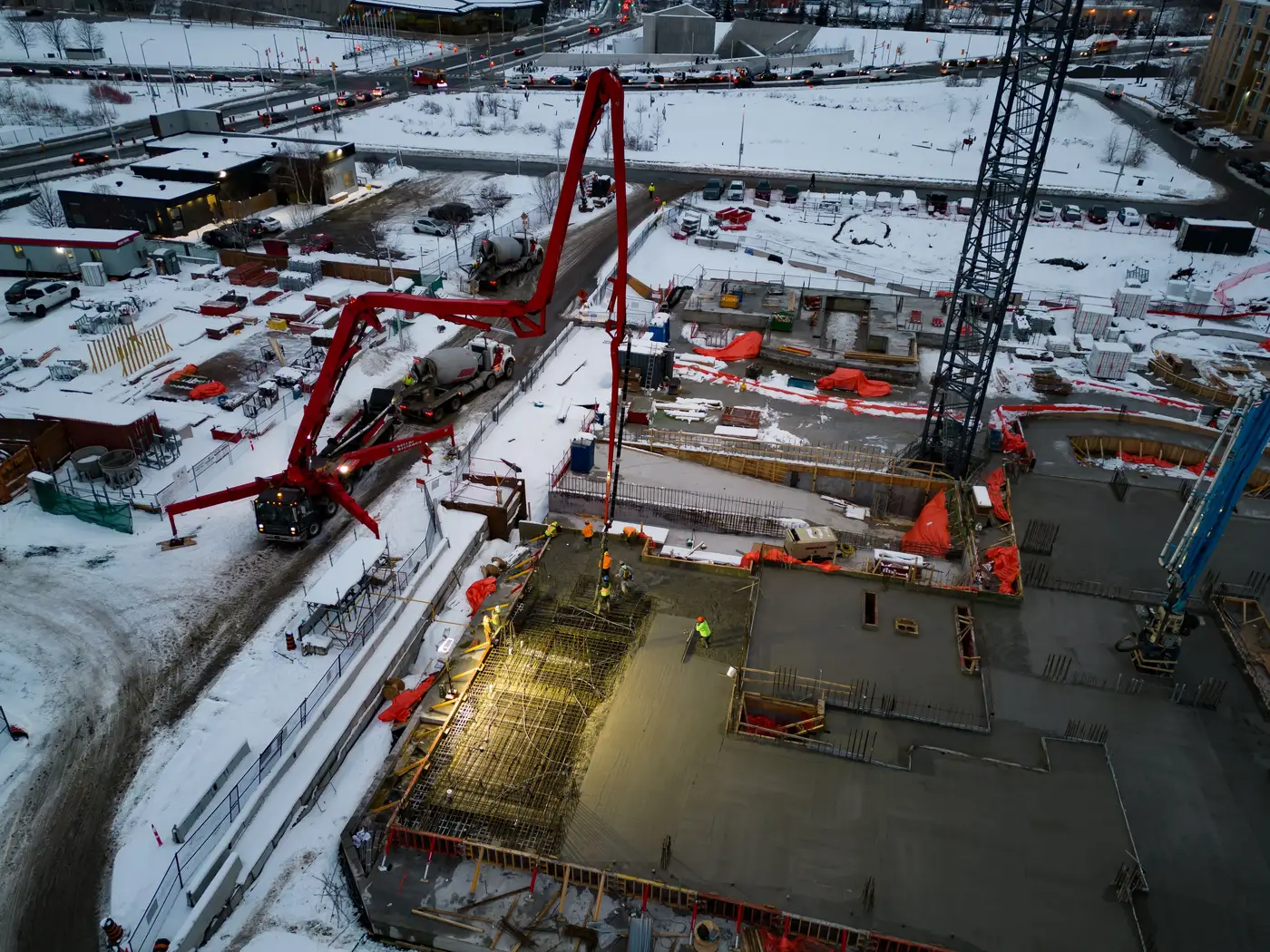 Field notes: the January thaw that let three Midwest metros finally pour foundations
A January thaw let Columbus, Indianapolis, and Kansas City pour staged foundations days before permit filings caught up. Notes from the ground.
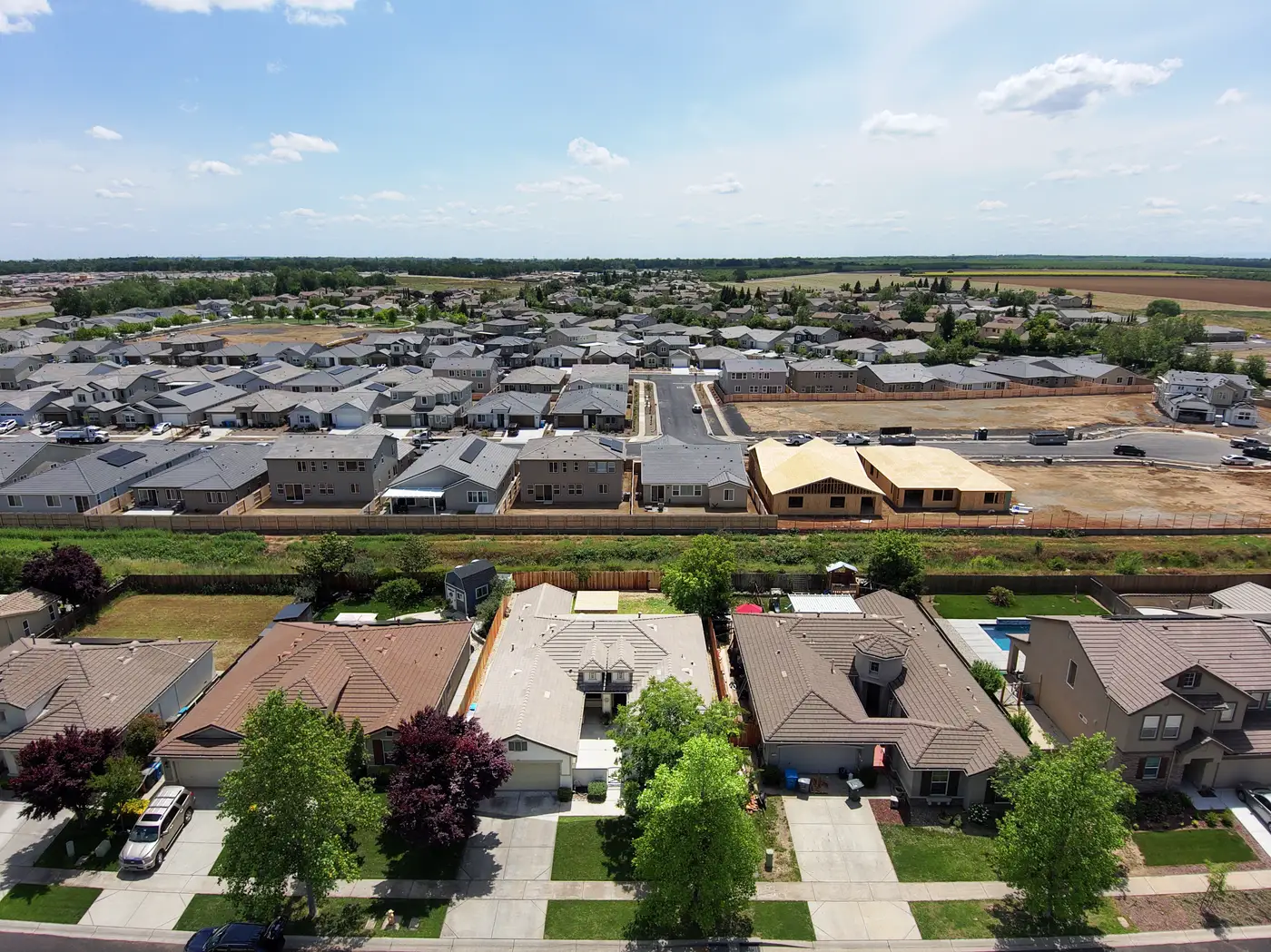 What is a metro statistical area, and why your builder's market isn't the same thing
MSA boundaries come from OMB commuting data, not builder footprints. Here's why that gap matters when you're reconciling starts data to earnings calls.
- How to tell a spec home from a build-to-order home in satellite imagery
Pour sequencing and frame timing show whether a subdivision is running spec inventory or build-to-order lots, before permit data confirms it.
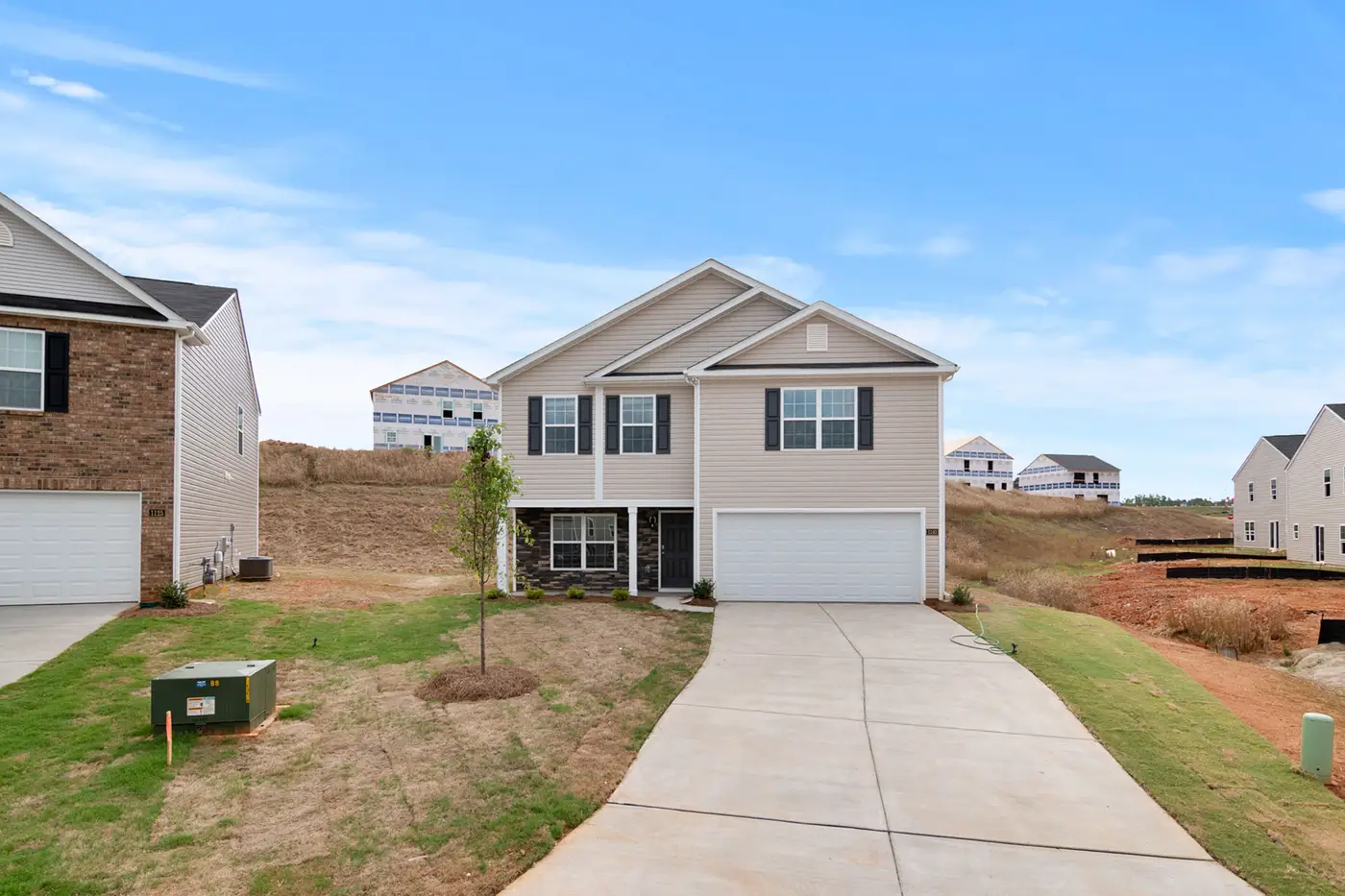 Model home vs. housing start: what the Census count actually captures
A model home pulls a residential permit and counts as a start. A sales trailer runs on a temporary permit and doesn't.
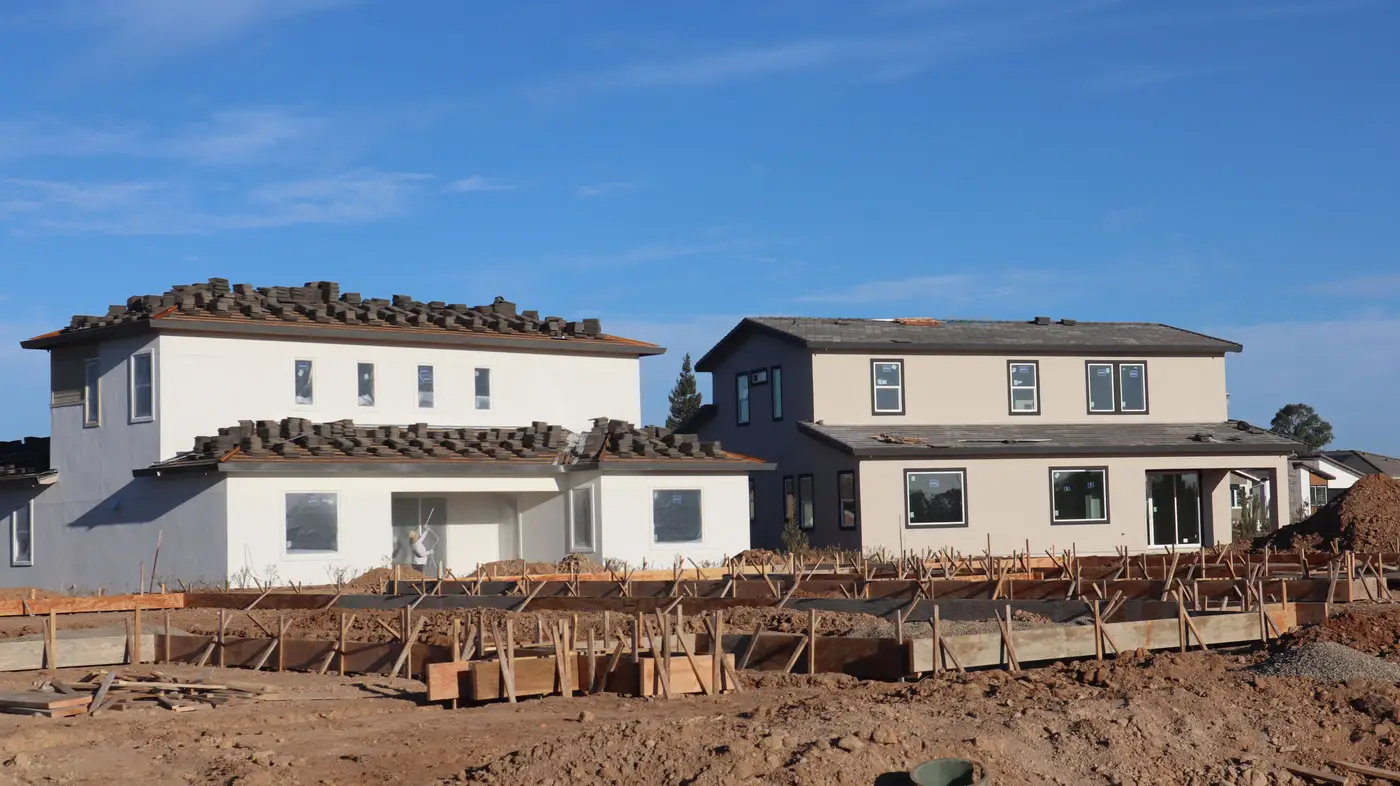 Field notes: the subdivision that sat for two years, then moved in a week
A stalled subdivision sat untouched for two years, then poured four foundations in eight days once rates moved. What that gap means for starts data.
 Permit valuation vs. unit counts: reading the two numbers separately
Why dollar-valued permits and unit-count permits tell different stories, and how to pull them apart before they skew your starts read.
- BTR vs. for-sale subdivisions: reading the difference in overhead imagery
How to tell a build-to-rent community apart from a traditional for-sale subdivision using lot patterns, pour pace, and site layout visible from satellite.
 What the NAHB/Wells Fargo HMI tells you before starts data does
Why the NAHB/Wells Fargo Housing Market Index leads official starts data, what it measures, and where the sentiment-to-ground-breaking lag comes from.
- Field notes: the subdivision that broke ground three weeks before the census counted it
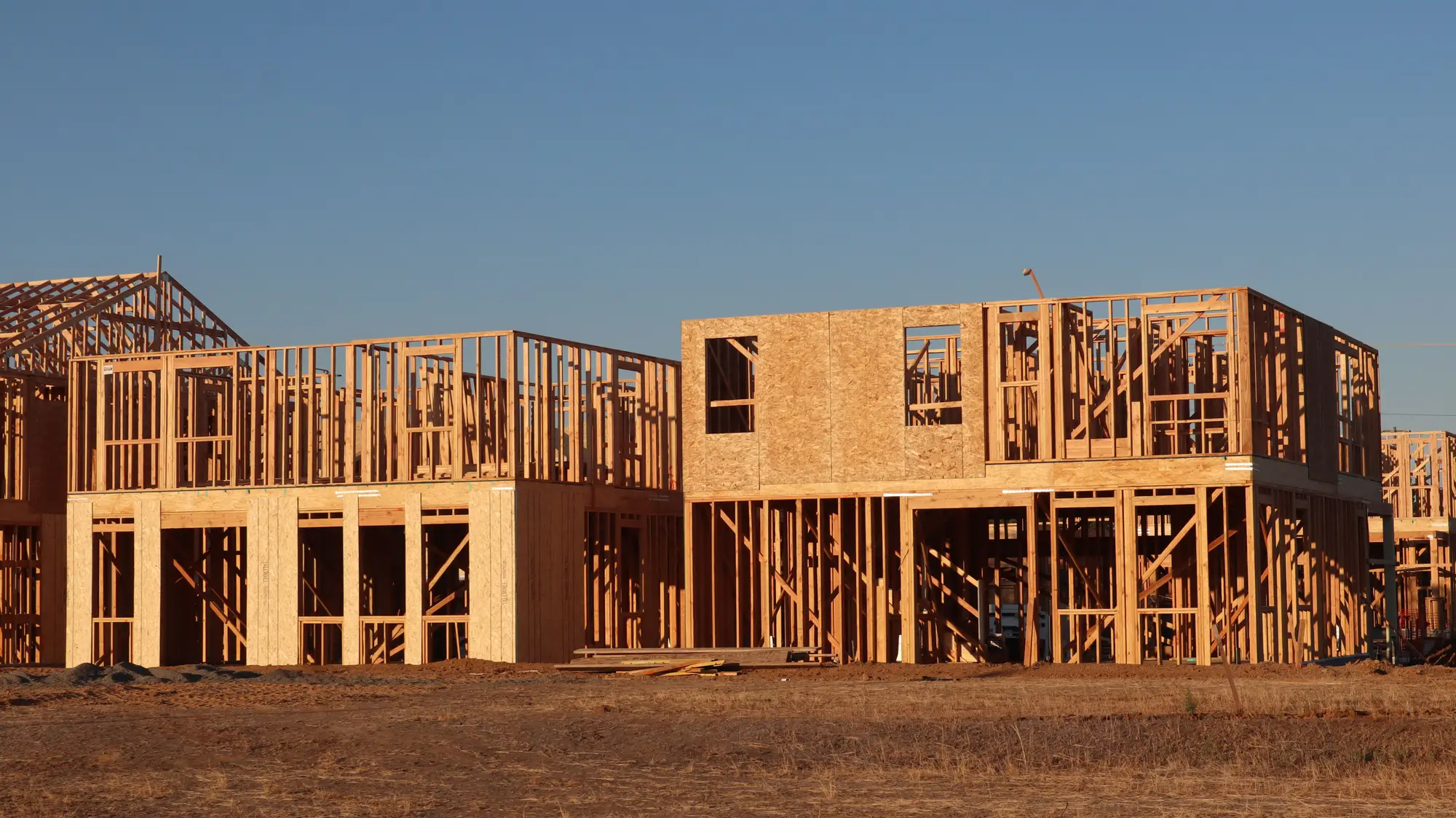
A field-notes look at why foundations and framing show up in a metro weeks before permit data catches up, and what that gap costs an analyst.
- What is SAAR in housing starts data? A plain explanation
SAAR explained: how the Census Bureau turns one month of housing starts into an annualized rate, and where that number stops helping a metro-level analyst.
- Metro vs. submarket: where to set the boundary when mapping new construction
MSA totals smooth over the submarket swings that actually move rent comps. Here's how analysts pick boundaries for tracking new housing starts.
- What is a homebuilder's community count, and why it leads starts
Community count signals where homebuilders plan to build next. Here's why it leads starts data, and why it can't tell you starts pace on its own.
- What a lot takedown schedule tells you before the permit does
A lot takedown schedule sets the pace builders exercise land options at, and that pace leads permit filings by months.
- Why building permits and housing starts diverge, and what the gap tells an analyst
Permit issuance and ground-breaking aren't the same event. Here's what the lag between them, and the permit-to-start conversion rate, signal.
- How many months pass between permit filing and foundation pour?
How long permits sit before groundbreaking, why the lag varies by building type and metro, and why permit counts alone miss it.
- Foundation pour vs. site grading: reading the difference in satellite imagery
How to read a monthly satellite pass and tell raw dirt work from a poured foundation, the point where a parcel actually becomes a start.
- Single-family vs multifamily construction: reading building type from overhead imagery
How to tell single-family from multifamily construction in overhead imagery using footprint size, lot pattern, and parking before permit data posts.
- What counts as a housing start under the Census definition
A plain explanation of the Census Bureau's housing start definition, how it differs from permits, and why the lag matters for forecasting.