Field notes: the subdivision that broke ground three weeks before the census counted it
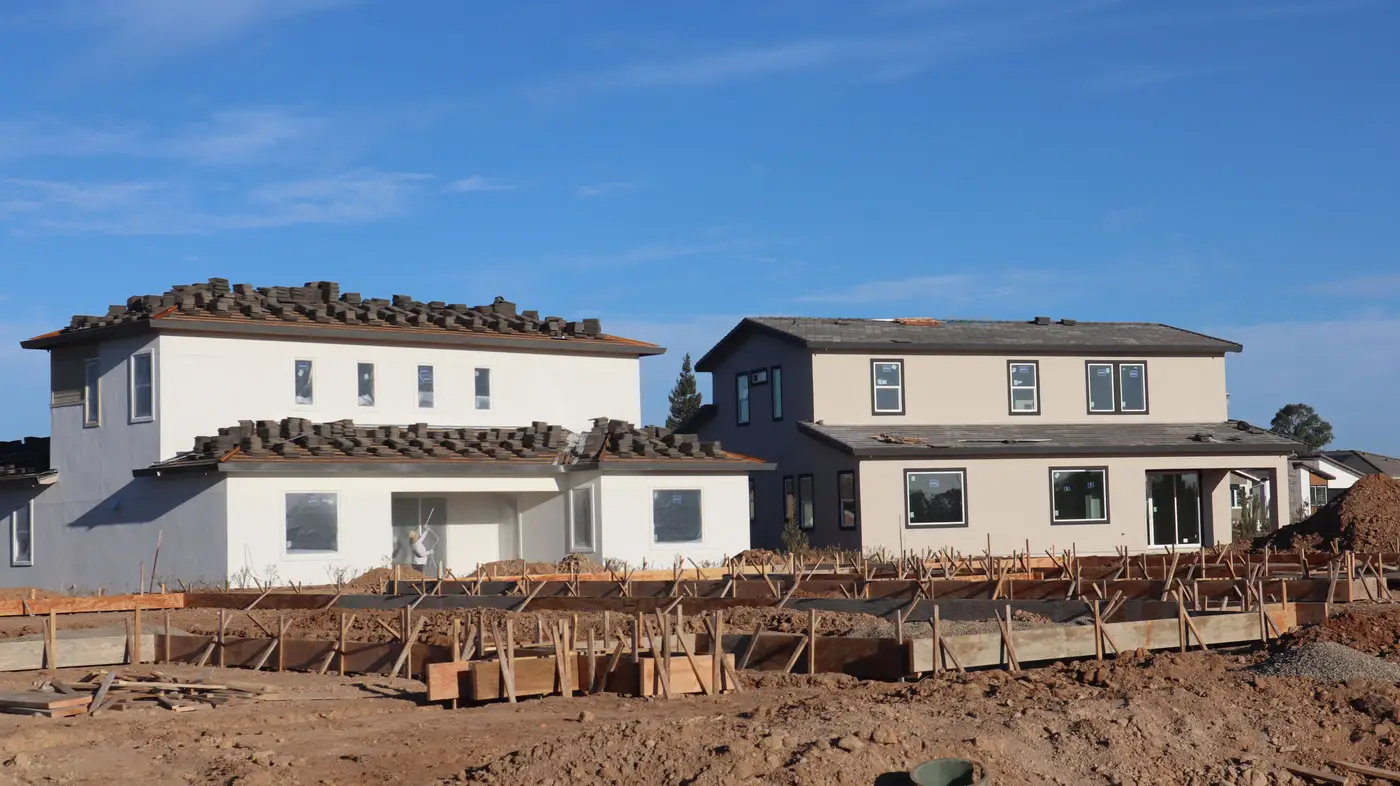
There's a particular kind of lag that every analyst who tracks housing starts learns to live with, and then, if they're paying attention, learns to distrust. It goes like this: a builder pulls a grading permit, moves dirt for six weeks, pours fifty foundations across three phases, and frames the first dozen units before any of it shows up in a federal release. By the time the Census Bureau's New Residential Construction report reflects the activity, the builder is already hanging drywall.
I spent part of this month looking at a fast-growing submarket on the edge of a Sunbelt metro, the kind of place where county plat records and builder investor calls tend to disagree with each other for a while before they reconcile. The plat had been recorded back in the spring. Site work started on schedule. And then, as these things go, the paperwork trail went quiet for a stretch that outlasted anyone's patience.
Foundations don't wait on paperwork. That's the part people outside this trade underestimate. A regional builder with lots already graded and a crew booked isn't going to sit on dirt because a permit clerk is three weeks behind on data entry. The pours happen. The framing crews show up two to three weeks after that, right on the builder's own internal schedule, which has nothing to do with when a county or a federal agency gets around to logging the activity in a system someone else queries.
This is the gap that matters if you're underwriting exposure to a metro before the comp set shifts under you. Permit data is a leading indicator in theory, but in practice it's a lagging one dressed up as a leading one, because the filing-to-publication pipeline runs through county offices that batch their submissions, state agencies that batch again, and a federal release schedule that only comes out monthly, with revisions. In a hot submarket, three weeks is enough time for a builder to go from first foundation to twenty-plus units framed. In a slower one, it's enough time to miss the fact that a project broke ground at all before the quarter closes.
A few analysts I've compared notes with have run into this same pattern on other metros this cycle. What struck me walking the comps on this one was how confidently people were still quoting permit counts as current activity, three weeks after ground had visibly broken, slabs were visibly poured, and the first roof trusses were visibly up. The permit count was accurate for the week it was filed. It just described a different month than the one we were standing in.
Satellite-based tracking has started showing up in portfolio reviews instead of staying confined to engineering departments because it answers a narrower question than permit data does: has dirt actually moved here, and when. A repeat pass over a submarket catches the foundation the week it's poured. The permit record catches the week a clerk logs the paperwork that authorized it, which can trail the pour by a month or more. That's the read we built at Construction Starts Index: a monthly count of new foundations and framed structures, by metro and submarket, so you're working from what's on the ground instead of a release that's already behind the builders.
Permit data still earns its keep. It's the record of intent, the thing that tells you what a builder plans to do before dirt moves, and it matters for anyone underwriting forward supply off a pipeline rather than current activity. The builder in this subdivision filed everything correctly and on a normal timeline for that county. The construction crews simply moved on their own schedule, and that schedule ran three weeks ahead of the system set up to report it.
That metro's next permit release will reflect this activity eventually, once the county finishes batching and the federal numbers catch up a cycle or two later. For an allocation decision that can't wait that long, Construction Starts Index tracks the foundations and framing directly off the satellite pass, the same week the crews are on site. Worth a look before your next metro-level call.