Field notes: the subdivision that sat for two years, then moved in a week
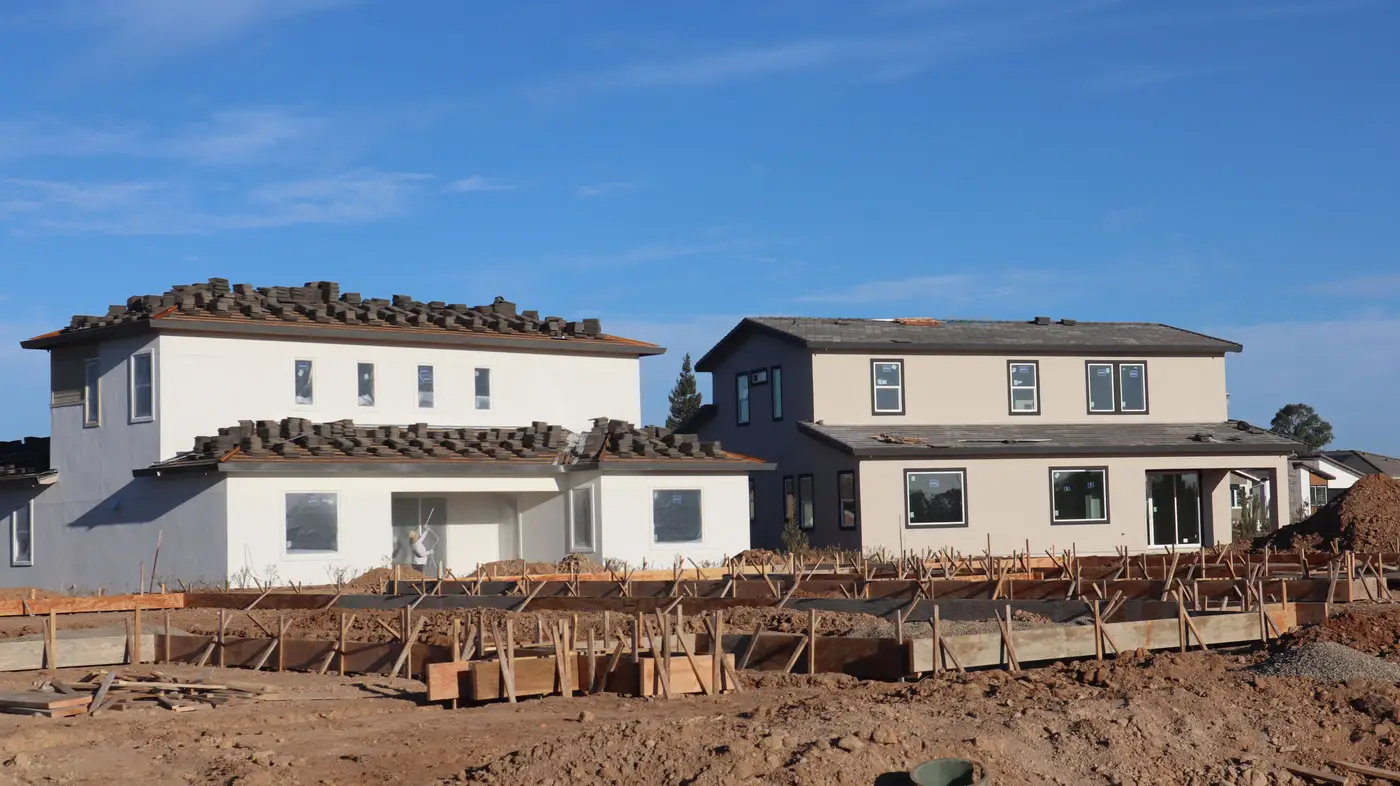
We'd been watching a graded pad outside a mid-size Sunbelt metro for the better part of two years. Streets in, curb cuts poured, a handful of silt fences gone gray and torn at the corners. A builder sign still staked at the entrance, paint starting to chalk. Nothing moved. No foundation trucks, no lumber drops, no port-a-johns rotating through on a Friday. Just weeds coming up through the gravel and a stormwater pond doing its job for nobody.
Then rates dropped, and within eight days there were four foundations poured on lots that had sat untouched since the last cycle.
This is the part of the cycle that doesn't show up cleanly in the data most of us are stuck using. Permit filings lag by weeks. Census starts data lags by a month, sometimes more, and gets revised twice after that. By the time a restart like this one shows up in anything official, the framing crews are already on the third phase and the builder's quarterly call has already happened. The analyst reading permit counts is reading last quarter's decision, not this week's.
A stalled subdivision tells you something specific about the builder's spreadsheet, not just that the market slowed down. A builder doesn't walk away from graded, wet-utility-ready lots because demand vanished. They walk away because the spread between construction loan cost and the clearing price on the finished home stopped working. Land is banked, infrastructure is sunk, and the lots sit as an option.
The builder is waiting for the rate environment, or a buydown program, or an absorption signal from a comp two miles over, to flip the math back to positive. Nobody announces this. It just shows up as silence on a parcel that used to have a dozen roofs a month.
And when the math flips, builders move fast. The carrying cost on finished lots is what they've been eating the whole time they sat idle, so once the math works there's no slow ramp. You get a week of nothing and then a week of four foundations, because the crews were already lined up, the plans were already permitted months ago, and the only thing missing was a rate print that made the pro forma work again. That's the pattern worth tracking if you care about rate-sensitive construction restarts: a switch that flips on a specific week, tied to a specific print, on lots that had been sitting idle the whole time.
For someone underwriting a position in a homebuilder or trying to call absorption in a submarket ahead of a REIT's earnings release, that eight-day gap between the rate move and the first foundation is the whole trade. Permit data will confirm the restart eventually. It just confirms it after the decision has already been made and after the lots that mattered have already been poured. Watching foundations and framed structures directly, metro by metro, submarket by submarket, catches the decision instead of the paperwork behind it. That's the gap a monthly count of new foundations and frames, broken out by metro is built to close, because it reads the ground instead of waiting on the release calendar.
The pad we were watching isn't unusual. There are dozens like it right now, graded and silent, sitting on builder balance sheets as pure optionality against the next rate print. Some will sit through another cycle. Some will go from silt fence to framed walls in a span of days nobody saw coming until the trucks showed up. Worth keeping an eye on which ones move first.
If you're tracking which metros are about to wake up before the permit data tells you, that's exactly what Construction Starts Index is for.