How many months pass between permit filing and foundation pour?
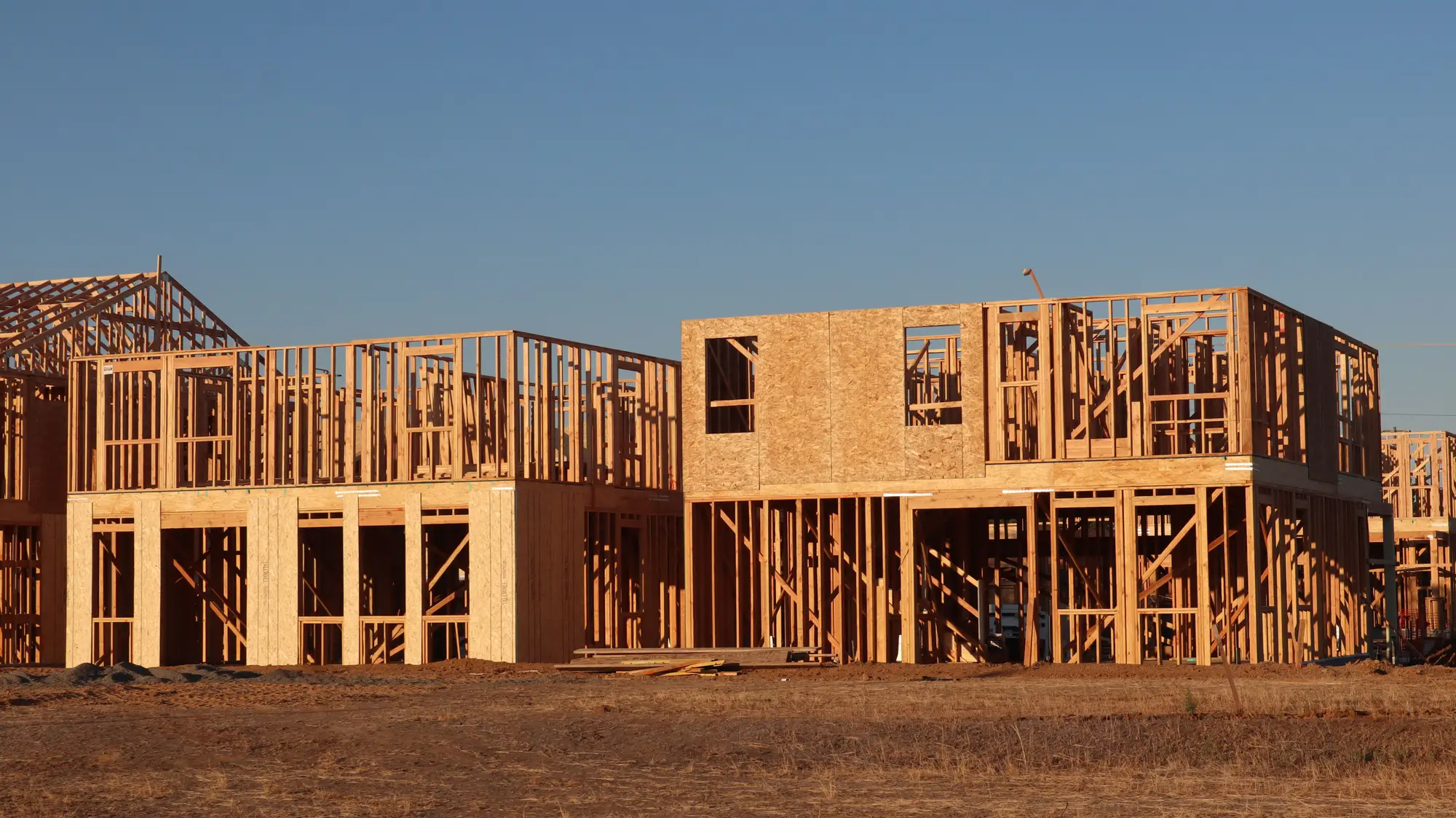
The honest answer: it depends on the building type, and the spread is wide enough to matter for anyone modeling supply. A single-family detached permit in a production-builder subdivision in Texas or Arizona can see dirt moving in three to six weeks. A mid-rise multifamily permit in a coastal metro with a contentious entitlement history can sit for the better part of a year before a crew pours the first footing.
Why the gap isn't a fixed number
Permit issuance is a legal event. It means a jurisdiction signed off on plans. It does not mean a builder has closed on construction financing, lined up a concrete sub, or cleared the site. Those steps happen in parallel for some projects and in sequence for others, and the order changes the lag more than anything else.
For single-family, the biggest swing factor is whether the builder pulled the permit speculatively (production builders often permit ahead of a confirmed buyer) or pulled it against a signed contract with a lender-driven draw schedule. Spec permits in hot submarkets tend to convert to foundations fast because the builder wants inventory on the ground. Build-to-order permits wait on the buyer's loan to close.
For multifamily, add in bonding requirements, subcontractor availability for site work and excavation, and in some cities a second round of design review that technically happens after permit issuance but before a foundation permit is released separately from the building permit. That second permit is easy to miss if you're only watching the headline authorization date. It's also why multifamily lag runs longer on average and varies more by metro than single-family does.
Labor and material availability move the number too, though less predictably than financing. A metro where concrete subs are booked out, or where lumber framers are stretched across too many active subdivisions, pushes groundbreaking later even on permits that are otherwise ready to go. Winter weather windows in northern metros add a seasonal layer on top of all of it: a permit issued in November in Minneapolis may sit until spring regardless of financing or labor.
What this means for reading permit data
The Census Bureau's permit survey and a city's building-permit portal both record one event: that a permit was authorized. The Census New Residential Construction release goes a step further and tracks an "authorized, not started" category, and that bucket has stayed elevated in a lot of metros well past the point where normal lag should clear it. That persistence is the real signal here. A meaningful share of permit volume stalls indefinitely instead of converting on a predictable clock, and the authorization date by itself won't tell you when, or whether, a foundation ever went in.
If you're underwriting supply by metro and submarket, that gap is the whole problem with using permits as your start signal. A permit surge in a submarket this quarter could mean a wave of foundations in six weeks or a wave in eight months, and the permit data alone won't tell you which. You end up either padding your supply timeline with a wide margin of error or waiting on lagging completion data that arrives long after the building is already leasing up.
The more direct read is to watch for the foundation and framing activity itself rather than inferring it from the date a permit was stamped. That's the gap Construction Starts Index is built to close: a monthly count of new foundations poured and structures framed, by metro and submarket, built from repeat satellite passes rather than survey timing. It shows you what actually broke ground this month, independent of how long that particular permit sat on a shelf first.
If you're trying to time supply deliveries ahead of the next permit or completion release, that's worth a look.