What counts as a housing start under the Census definition
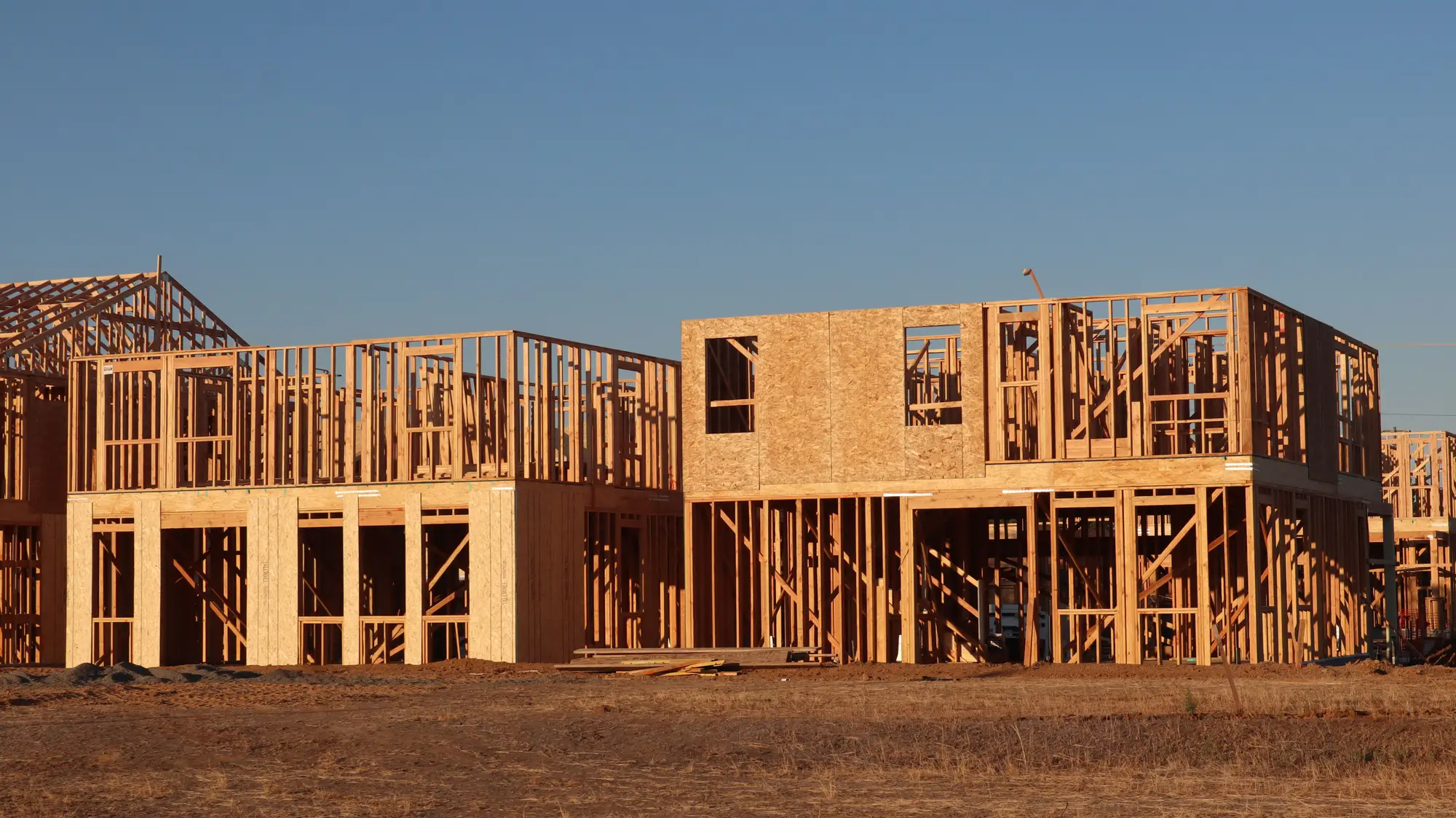
If you pull the monthly New Residential Construction release and treat "starts" as the moment a builder breaks ground in any casual sense, you're working from the wrong trigger. The Census Bureau has one specific test, and it isn't when the permit gets pulled, when the lot gets graded, or when the first framer shows up.
The actual trigger: excavation for footings
Under the Survey of Construction (SOC), a housing unit is counted as started the moment excavation begins for the footings or foundation of the building that will contain it. Not site clearing. Not grading. The footing trench, or the hole for a slab-on-grade pour, is the event Census field representatives are trained to look for when they visit a sampled job site.
This matters because a lot of visible activity happens before that point. A builder can clear a pad, run utilities, and stage equipment for weeks before footings go in. None of that counts yet. If you're modeling lumber orders or subcontractor mobilization off "starts," you're modeling something that happened before the data point you're citing.
Permit date is not start date
Authorization and start are two different line items in the Census data, and the gap between them is the whole reason this keyword gets searched. A permit can sit for months before dirt moves, especially in markets with tight labor or slow lender draws. Census tracks this directly through its "authorized, not started" (ANS) series, which exists precisely because permits routinely outrun actual construction.
For a portfolio built on permit data as a leading indicator, that gap is a real blind spot. A spike in permits tells you builders filed paperwork. It tells you nothing about whether anyone has poured anything yet. In markets where entitlement is fast but labor is scarce, ANS backlogs can stretch out for a full construction season, and the permit-to-start conversion rate isn't constant across metros or cycles.
How Census measures it, and why the number moves after release
SOC estimates come from a sample of permit-issuing jurisdictions, not a full census of every job site. Field reps follow up on sampled permits to confirm whether excavation has started, and the national and regional figures are built from that sample, with the usual revisions as more confirmations come in over subsequent months. That's why the preliminary start estimate for any given month gets revised up or down for two or three releases afterward: the sample is catching up to what happened on the ground.
Single-family versus multifamily counting
The definition applies per building, not per unit, for multifamily. When footings go in for a 200-unit apartment structure, all 200 units get recorded as started in that month, even though leasing and completion will trickle out over a year or more. A single-family detached home is one unit, one start event. This is worth flagging if you're reconciling SOC multifamily starts against a pipeline tracker that counts units as they come online individually. They'll never match month to month, by design.
Why this gap is the whole problem
None of this is a flaw in the Census methodology. It's a sampling survey doing what it's built to do, on a lag that's appropriate for a national statistical release. The issue is that waiting on SOC, or even on permit data, means you're working from information that's already a month or two stale by the time it reaches you, and revised again after that.
Construction Starts Index exists for the gap between permit filing and the SOC's confirmed excavation date: a monthly count of foundations poured and frames up, built from repeat satellite passes rather than survey follow-up, broken out by metro and submarket.
If permit-to-start timing in your markets is the thing you keep having to estimate, it's worth seeing what the foundation data looks like before the next release lands.