What is a homebuilder's community count, and why it leads starts
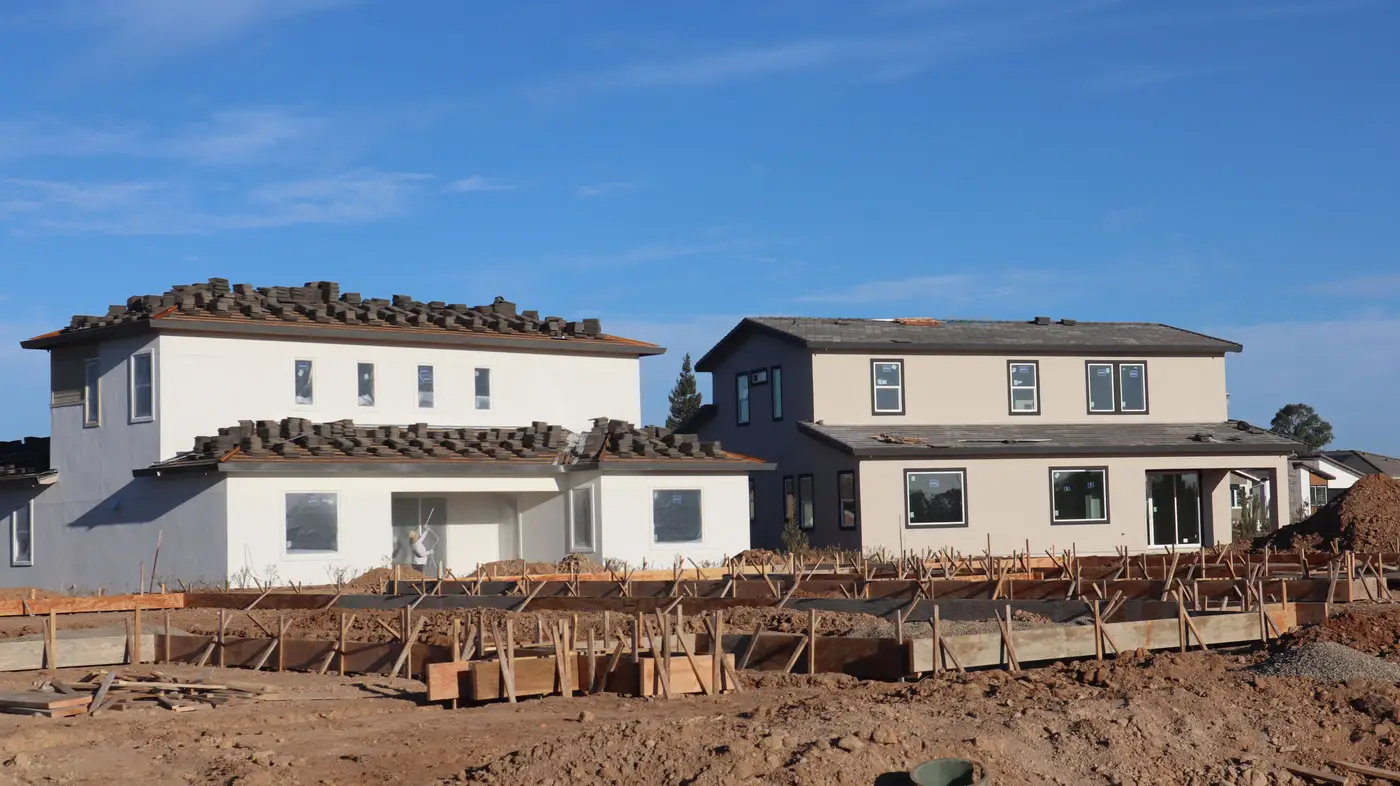
A homebuilder's community count is the number of active, selling subdivisions it has open at any given time, the lots where a buyer can walk a model home, pick a lot, and sign a contract today. Public builders report it every quarter alongside closings and backlog, and anyone who tracks housing starts by metro should care about it more than most earnings-call line items get credit for.
When a builder's community count in a metro climbs from, say, 8 to 11, that signals more slab pours are coming within a couple of quarters, once land development and model-home construction catch up to the sales plan. A community has to open before the builder can pour foundations in volume there: land gets optioned, entitlements get worked through, model homes get built, and sales staff start writing contracts. Starts follow that sequence by a few months in most cases, sometimes longer in markets with slow plan-check turnaround.
Why community count leads starts instead of lagging them
Permit data and Census starts numbers tell you what already happened, usually with a one-to-three month reporting lag depending on the jurisdiction. Community count tells you what a builder has staged to happen. It's forward-looking in a way permit filings structurally can't be, because the builder has to commit to the community, land closed, model under construction, sales office staffed, well before it commits to pouring dozens of foundations across that subdivision.
That gap is also why community count alone won't tell you pace. A builder can hold a flat community count and still ramp or throttle starts hard within existing communities depending on how sales are running and how much finished-lot inventory it's sitting on. A rising community count doesn't guarantee a matching jump in starts if absorption per community is sliding, which happens when a builder over-opens into a softening submarket. Community count tells you where the builder has planted flags. It doesn't tell you how fast dirt is moving on each one.
Community count vs. starts pace: what each one measures
Think of community count as the builder's stated intent and starts pace as the realized output. The two diverge for reasons that have nothing to do with the builder changing its mind: entitlement delays, labor and material bottlenecks, a wet spring pushing site work back a quarter, or a builder deliberately slow-walking starts in a community to avoid sitting on finished spec inventory in a market where buyers have gone quiet.
This is the gap that matters for anyone sizing a REIT allocation or a regional homebuilding thesis around construction activity on the ground rather than guidance language. A builder's earnings call will tell you the community count and usually give some color on absorption pace, but that color is company-wide or regional, not submarket-specific, and it's a quarter old by the time it's public. If you're trying to answer whether a given metro's starts pace is accelerating right now, the earnings call gets you partway there and then goes quiet.
Reading community count alongside ground truth
Active community count works best as a watchlist: the set of submarkets where a given builder has told you it intends to build, cross-checked against what's actually happening on the ground. A monthly count of new foundations and framed structures, broken out by metro and submarket fills exactly that gap, because it's built from repeat satellite passes rather than survey estimates or builder guidance, so it doesn't carry the same reporting lag as permit data or the same quarter-old staleness as an earnings call.
None of this replaces reading the 10-Q or listening to the call. Community count still tells you where builders are placing bets, and that's useful context you won't get from permit filings or Census data. It just can't tell you, on its own, whether this month's starts pace in a given metro matches what the count implied three months ago. For that you need to watch the slabs and the framing, not just the guidance.
If you're trying to close that gap between what a builder says it's doing and what's getting built, metro by metro, see what Construction Starts Index tracks.