What is a metro statistical area, and why your builder's market isn't the same thing
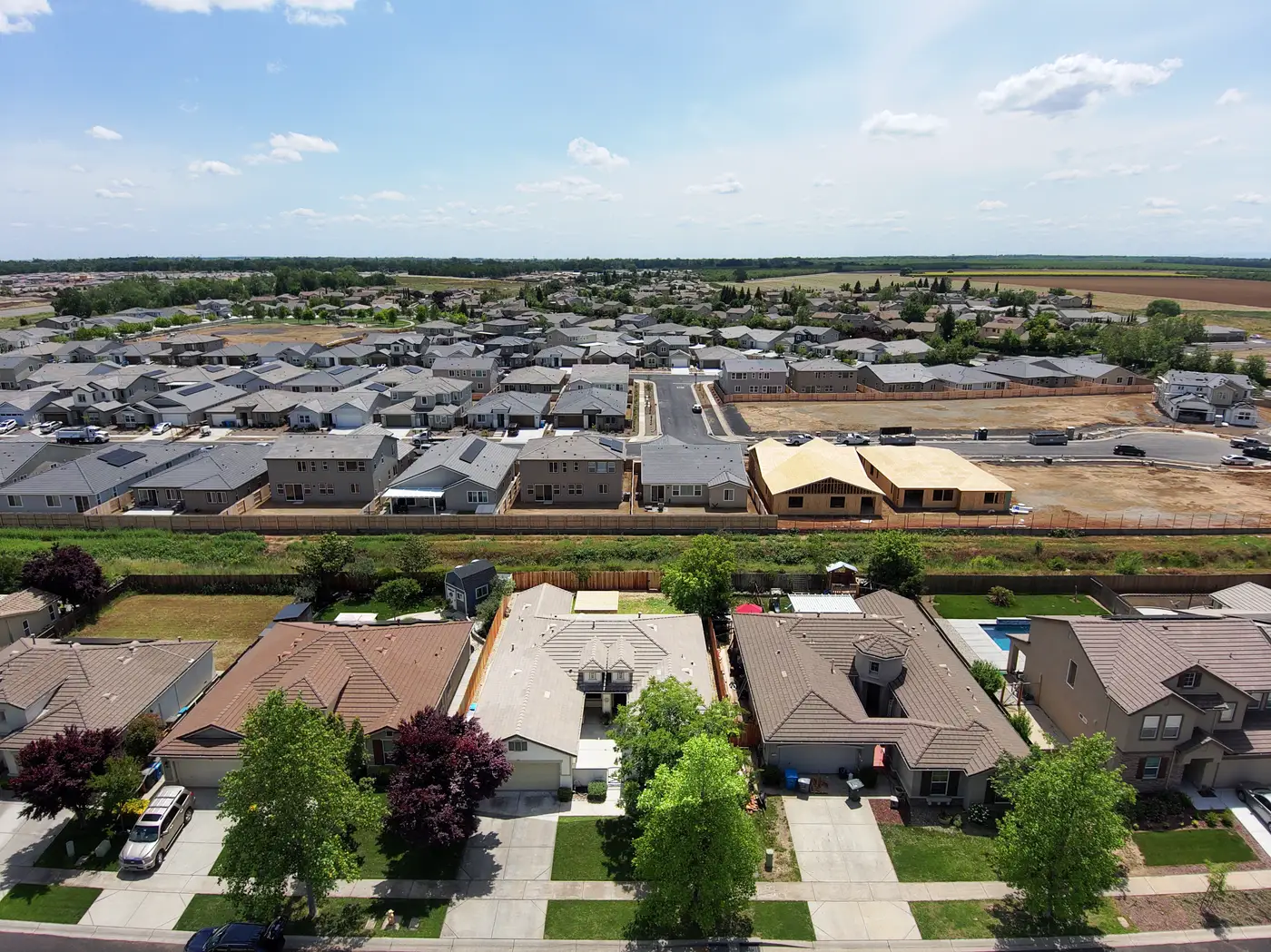
Pull up a homebuilder's investor deck and you'll see "Houston," "Phoenix," or "Raleigh" listed as a market with a community count and an absorption pace next to it. Pull up the Census Bureau's county-level starts or permit data for the same name, and you're looking at a different polygon. Same word, different geography. If you're benchmarking one against the other without checking the boundary first, you're comparing two different things and calling it one number.
Where MSA lines actually come from
A metropolitan statistical area is an Office of Management and Budget construct, not a real estate one. OMB defines an MSA around a core urbanized area of 50,000+ people, then adds outlying counties if enough of their workforce commutes into the core, measured by commuting-flow data from the Census Bureau's American Community Survey. That's it. No developer, no builder division, no school district input. The last full delineation came out of the 2020 Census and took effect in 2023, and OMB revises the list again roughly every ten years, with smaller technical corrections in between.
The practical result: a county gets added to an MSA because enough people living there drive into the core county for work, not because it's where rooftops are going up. Pinal County got pulled deeper into the Phoenix MSA conversation for exactly that reason, years after builders were already platting subdivisions out there. The commuting data lags the dirt work by a long stretch.
Why the builder's own map looks nothing like it
Builders don't draw divisions around commuting sheds. They draw them around where they have land, where their sales offices sit, and where their comp sets make sense for pricing a community. A "Dallas" division on an earnings call might run from the northern suburbs down through a handful of exurban counties the builder considers one selling territory, while skipping a county that's technically inside the Dallas-Fort Worth-Arlington MSA but has none of that builder's active communities in it. Another builder's "Dallas" might be drawn tighter, centered on a single corridor.
None of this is sloppy reporting. It's a builder describing its own footprint in language that matches how its sales and land teams think about the market. The mismatch is baked in, and it means two builders using the word "Dallas" aren't necessarily talking about the same counties, let alone the same counties the Census Bureau tags under that MSA name.
What this costs an analyst
If you're trying to check a builder's reported absorption pace against government starts data for the "same" metro, the county list has to match or the comparison is noise. Standard permit and starts releases come tagged to county FIPS codes rolled up into OMB's MSA definitions. Builder decks come tagged to whatever the land and sales teams call that territory internally. Reconciling the two means pulling the actual county list behind each MSA, finding out which counties a builder's division really covers (usually not disclosed cleanly), and rebuilding your own crosswalk before you can trust a single starts-per-household ratio.
That's also where lag compounds the problem. Permit data and Census starts estimates already run weeks to months behind what's going into the ground, and building that geography crosswalk by hand adds more time on top. A monthly count of foundations poured and structures framed, broken out by metro and submarket you define yourself rather than one OMB sets on a ten-year cycle, closes both gaps at once: you see the activity sooner, and you see it drawn to the boundary that matches how the builder reports it. Construction Starts Index builds that count from repeat satellite passes instead of waiting on the next permit release to catch up.
If your submarket definitions keep drifting out of sync with the official county lines, it might be worth checking what a starts count built around your own boundaries would show instead.